 by
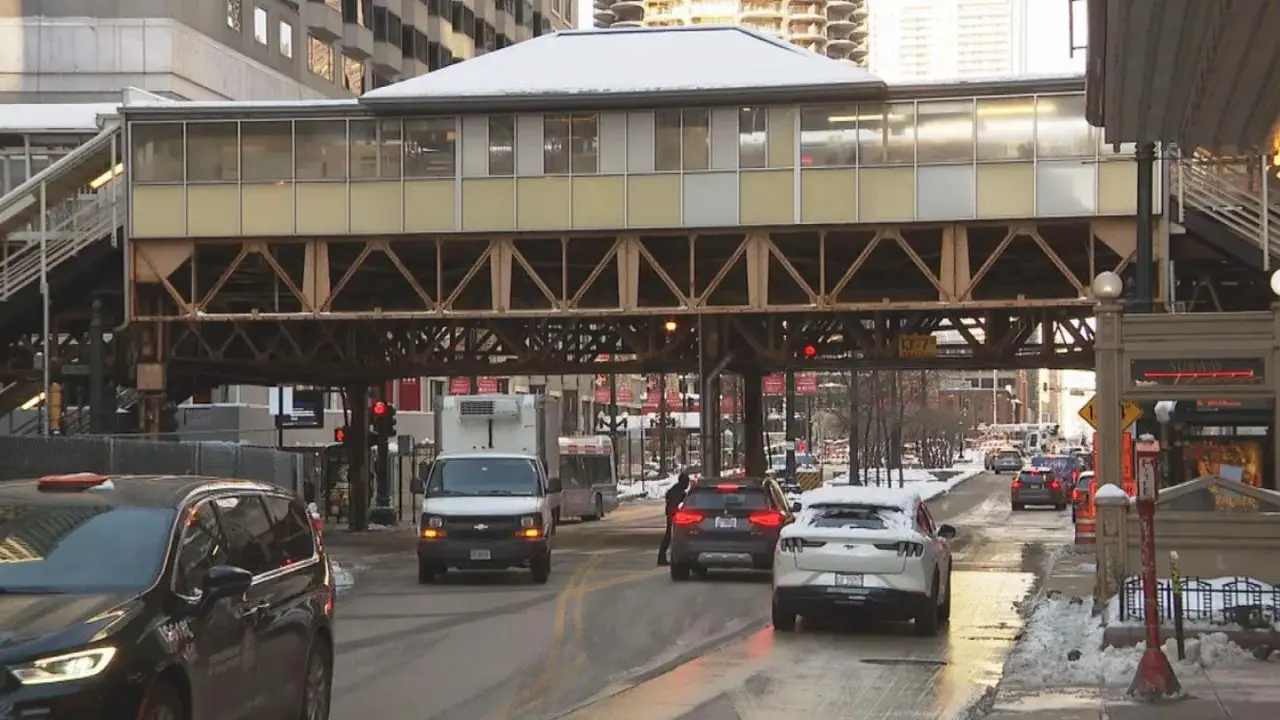
by Chicago, Illinois — A major Chicago Transit Authority construction project carrying a $444 million price tag is officially underway, but not all commuters are on board with the plan. The long-term project, which will take at least three years to complete, is expected to significantly disrupt downtown travel patterns, with the rebuilt station slated to open in 2029.
For many riders, the closure marks the end of an era — and the beginning of a complicated daily commute.
Costly project raises concerns among riders
While transit officials say the investment is necessary, some passengers question whether the money could be better spent elsewhere.
“I feel like it’s kind of dumb in my opinion because like we don’t really need this,” said Brighton Park resident Michelle Cortes. “And I feel like we should use this money for something else.”
The $444 million cost has become a focal point of criticism, particularly as riders brace for years of construction-related inconvenience.
Longtime commuters say goodbye to familiar platform
The station’s final day in operation drew emotional reactions from riders with deep personal connections to the stop.
Little Village resident Jacqueline Sanchez stopped by to take photos before the closure.
“I went to high school downtown, and I used to work downtown, so I would use this station almost every day,” she said. “I don’t take it anymore, so I was like, you know what, this is a great way to say bye.”
Others were caught completely off guard.
“And no, I didn’t know that,” said rider Kennedi Brown. “And that’s actually crazy because I like this train.”
Transfers and connections will become more difficult
Transportation experts warn that the disruption will be felt across the system, especially for riders who rely on quick transfers downtown.
Joseph Schwieterman, a transportation expert with DePaul University, said the construction timeline could pose significant challenges.
“Three years is a long time,” Schwieterman said, adding that he hopes it represents a worst-case scenario.
“The biggest impact is people making connections between the Loop elevator and the Red Line are going to get off at a different station that involves a couple blocks of walking.”
He noted that bus riders will also feel the strain as street-level construction compounds transit delays.
State Street closures already impacting bus routes
State Street downtown has already been partially closed for months, and crossing the Chicago River at State Street has not been possible, forcing bus reroutes.
The No. 36 Broadway bus, which normally runs along State Street from Division Street to Van Buren Street, has been detoured via Kinzie Street, Clark Street, and Wacker Drive, creating longer travel times for riders.
Beginning Monday, disruptions will increase even further:
- Southbound State Street lanes will close from Wacker Drive to Washington Street
- Northbound State Street lanes will fully reopen
City officials say these changes are necessary to accommodate the next phase of construction.
More bus service changes possible
Additional bus service adjustments may follow as construction expands, but as of Sunday, the Chicago Transit Authority had not released details about any further route changes.
Read Also: Flooding Forces Partial Road Closures Across Sacramento County; One Driver Rescued
Commuters are being encouraged to monitor CTA alerts closely and plan extra travel time while downtown streets remain active construction zones.
Years of disruption ahead for downtown commuters
With construction expected to stretch into 2029, riders accustomed to seamless downtown transfers will need to adapt to new walking routes, bus detours, and altered travel patterns.
Transit officials maintain that the finished project will modernize infrastructure and improve accessibility long-term, but for now, many commuters say the inconvenience — and the cost — feel steep.
Do you think the $444 million CTA project is worth years of disruption, or should the funding have gone elsewhere?
Share your thoughts in the comments and join the conversation as Chicago navigates one of its most disruptive transit rebuilds in years.