 by
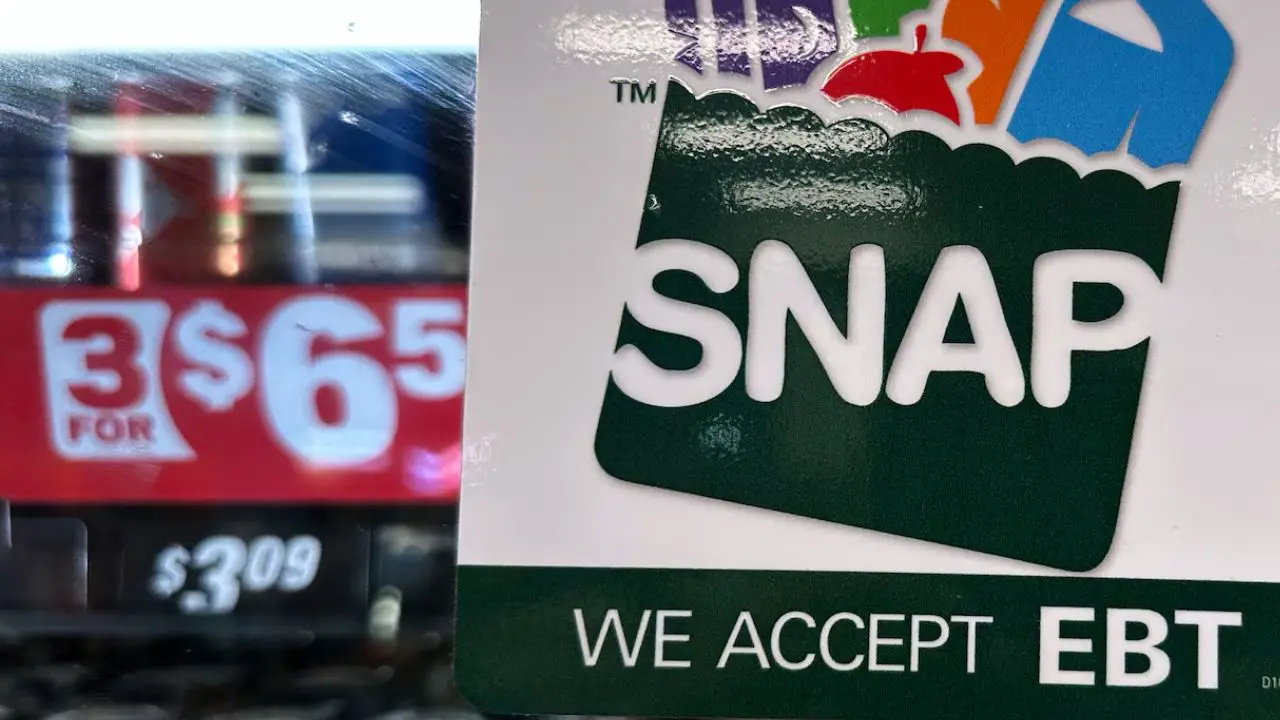
by Huntington, West Virginia — New restrictions on SNAP benefits took effect Jan. 1 across West Virginia, banning the use of food assistance funds to purchase soda. State officials say the change is meant to encourage healthier eating, but food bank leaders warn the policy could reduce access to nutritious food, especially as key support programs are ending at the same time.
West Virginia is one of five states implementing new SNAP purchase restrictions at the start of the year, a move that has sparked debate among hunger advocates, retailers, and nutrition experts.
Soda ban begins under broader health initiative
The new rule prevents SNAP recipients from using benefits to buy soda, a decision state leaders say aligns with the administration’s “Make America Healthy Again” initiative. Supporters argue that limiting sugary beverages will nudge families toward healthier choices.
However, critics say the focus on soda masks deeper issues in the state’s food assistance system — particularly the loss of programs that helped families afford fruits and vegetables.
Food bank leaders warn of unintended consequences
Facing Hunger Foodbank, which serves roughly 100,000 adults and children across West Virginia, says the soda restriction comes at a time when nutritional support is already being scaled back.
Cynthia Kirkhart, the organization’s CEO, says food banks support efforts to improve diet quality, but policy decisions need to reflect how families actually access food.
“Everything that we do is to improve the quality of the food we provide,” Kirkhart said. “But it feels like we’re being done to. When we look at how many people are really using soda, we may be missing the mark.”
Kirkhart emphasized that food insecurity in West Virginia is often driven by limited income, transportation barriers, and lack of nearby grocery stores, not by soda purchases alone.
SNAP Stretch program quietly ends
At the same time the soda ban takes effect, West Virginia has ended SNAP Stretch, a program widely praised for encouraging healthier eating.
Key detail: SNAP Stretch provided two additional SNAP dollars for every dollar spent on fruits and vegetables, significantly increasing purchasing power for families with children.
“SNAP Stretch provided two extra SNAP dollars for every dollar that a child and family would spend on produce and fruit,” Kirkhart said. “So that program kind of went away.”
Advocates say losing SNAP Stretch undermines the very goal the soda restriction claims to support — making nutritious food more affordable.
Read Also: Two Chicago-Area Christkindlmarkets Close for the Season, but One Festive Location is Still Open
Nutrition education program also cut
Another setback for food access, according to Kirkhart, is the end of SNAP Ed, a nutrition education initiative run in partnership with West Virginia University.
SNAP Ed helped families:
- Learn how to stretch food dollars
- Prepare healthier meals on a budget
- Make informed choices at the grocery store
Without SNAP Ed, Kirkhart says families are losing both financial incentives and educational tools at the same time.
Confusion expected at grocery stores
The National Grocers Association has warned that new SNAP purchase restrictions could be confusing and costly for retailers to implement.
With different rules taking effect in different states, grocery stores may need to:
- Update checkout systems
- Retrain staff
- Handle disputes when items are declined
Retailers worry the changes could slow checkout lines and create uncomfortable situations for customers using SNAP.
Part of a broader national shift
West Virginia is not alone. Five states are implementing new SNAP purchase restrictions on Jan. 1, signaling a broader national shift toward limiting what food assistance benefits can buy.
Supporters say restrictions promote public health and reduce long-term healthcare costs. Critics argue that SNAP already has strict eligibility rules and that limiting purchases does not address underlying poverty or food deserts.
Impact on families remains unclear
For families relying on SNAP, the immediate impact may be subtle — soda purchases represent a relatively small share of overall benefits. But hunger advocates worry the combined loss of incentives, education, and flexibility could make it harder for low-income households to maintain balanced diets.
Kirkhart says policy decisions should be guided by data and lived experience, not headlines.
“We want the same thing — healthier families,” she said. “But if we take away the tools that help people get there, we’re not solving the problem.”
What happens next
State officials have not indicated whether replacement programs will be introduced to offset the loss of SNAP Stretch or SNAP Ed. Food banks across West Virginia say they are bracing for increased demand as families adjust to the new rules.
Advocates are urging lawmakers to reconsider cuts to nutrition-focused programs if the goal is truly to improve public health.
As SNAP rules continue to evolve nationwide, the debate highlights a central question: Should food assistance focus on restriction — or on expanding access to healthy choices?
How do you think SNAP benefits should be structured to best support families? Share your thoughts in the comments and join the conversation.