 by
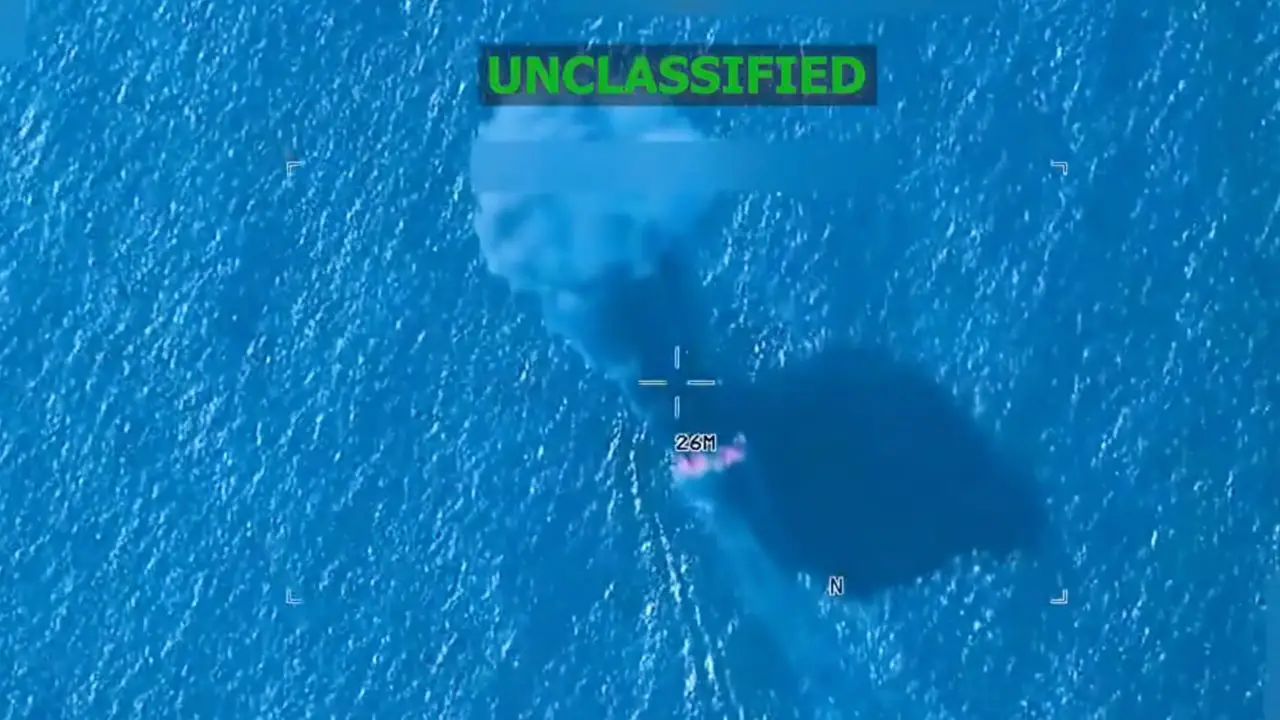
by Eastern Pacific Ocean — The U.S. military says it carried out three additional strikes on alleged drug-trafficking vessels in the Eastern Pacific, killing eight people, as part of an expanding campaign ordered by the Trump administration that has now resulted in at least 95 deaths across 25 boats, according to military officials.
U.S. Southern Command confirmed the latest strikes occurred Monday and were authorized by Defense Secretary Pete Hegseth, marking another escalation in the administration’s controversial use of military force against suspected narcotics operations at sea.
What the Military Says Happened
In a statement posted on X, Southern Command said the three vessels were traveling along “known narco-trafficking routes” in the Eastern Pacific and were allegedly engaged in drug smuggling.
Military officials described the occupants as “male narco-terrorists” and said the boats were targeted as part of an ongoing maritime campaign aimed at dismantling cartel operations. According to the statement, eight men were killed across the three vessels.
Southern Command also released a 47-second video that appears to show three separate strikes, each targeting a small boat. The footage did not include audio or additional context about the identities of those onboard or the specific cargo allegedly being transported.
A Campaign That Began in Early September
The maritime strikes began in early September, when the Trump administration classified certain drug cartels as terrorist organizations and framed the campaign as a “non-international armed conflict.”
Since then, the U.S. military has conducted repeated strikes in both the Eastern Pacific and the Caribbean, arguing that cartels pose a transnational security threat that justifies direct military action beyond traditional law enforcement efforts.
According to figures cited by the military, the campaign has now resulted in dozens of vessels destroyed and nearly 100 alleged traffickers killed, though independent verification of those claims remains limited.
Lawmakers Question Legal Authority
The strikes have drawn growing criticism on Capitol Hill, particularly from Democratic lawmakers and some Republicans, who argue the administration has not demonstrated clear legal authority to carry out lethal military operations against suspected drug traffickers.
Critics have also questioned whether the administration has provided sufficient evidence that the targeted vessels were actually carrying narcotics at the time they were struck.
Read Also: Georgia Execution Put on Hold Nearly 20 Years After Realtors Killed in Powder Springs Office
Several lawmakers have said they are concerned the operations blur the line between military action and law enforcement, raising constitutional and international law questions about the use of force outside a declared war.
Scrutiny Over Earlier Strike and War Crime Concerns
One of the most controversial incidents occurred during a September 2 strike, which marked the beginning of the campaign. Reports later emerged that two individuals survived the initial strike but were allegedly killed during a follow-on attack.
Democratic lawmakers who viewed video footage of that operation criticized the decision to conduct a second strike, warning that killing survivors of a shipwreck could potentially constitute a war crime under international law.
Republican lawmakers and administration officials have pushed back on those claims, arguing the survivors may have continued to pose a threat or remained involved in hostile activity.
Expanding Military Presence in the Region
The vessel strikes are taking place amid a broader U.S. military buildup in the Caribbean and near Latin America. In recent months, the Pentagon has deployed naval warships, fighter jets, and high-profile assets such as the USS Gerald R. Ford aircraft carrier to the region.
Administration officials say the increased presence is necessary to deter cartel operations and counter regional instability linked to narcotics trafficking.
Pressure on Venezuela and Colombia
Alongside the strikes, the Trump administration has intensified diplomatic and political pressure on Venezuela and Colombia. U.S. officials have accused Venezuelan President Nicolás Maduro of collaborating with drug cartels, allegations the Venezuelan government has denied.
The administration has also argued that Colombia has failed to adequately curb drug trafficking, despite years of U.S.-backed counter-narcotics programs.
As the campaign continues, legal challenges and congressional oversight efforts are expected to intensify, particularly as the death toll rises and questions persist about accountability, transparency, and the scope of presidential authority.
Do you believe the U.S. military should be conducting these strikes at sea, or should drug trafficking be handled differently? Share your thoughts in the comments below.