 by
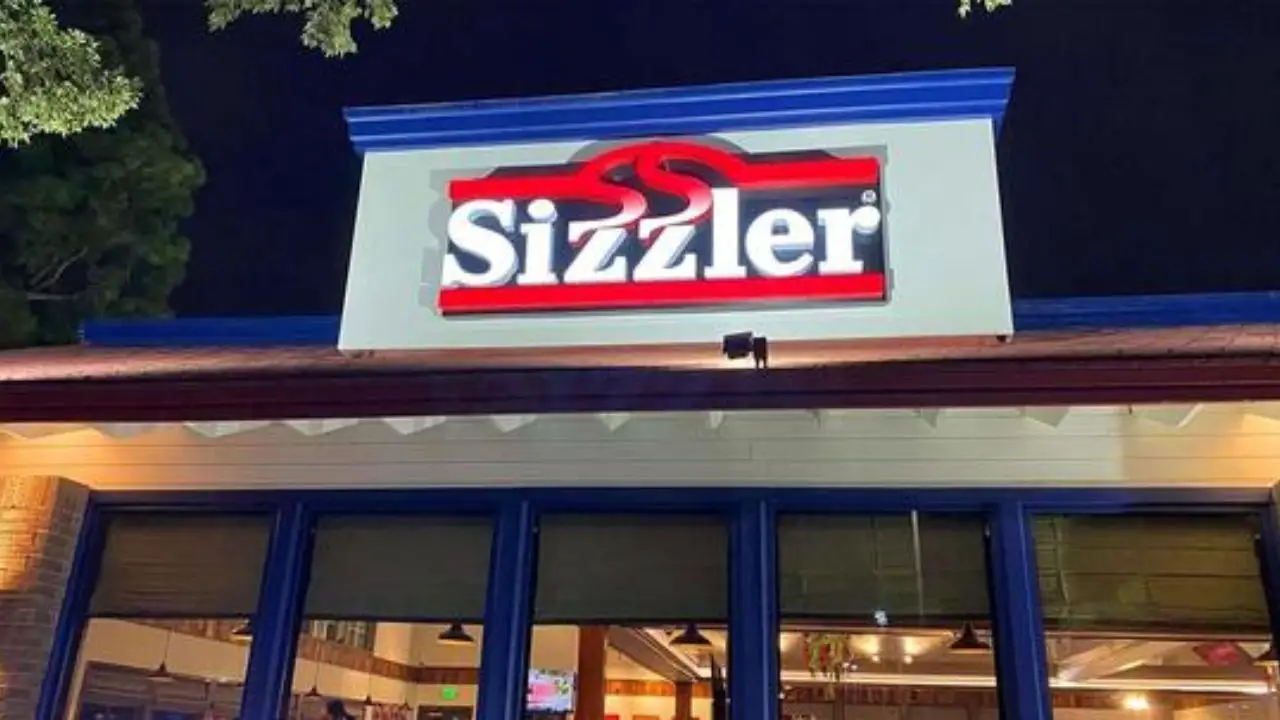
by United States – There was a time when a celebratory steak dinner in America often meant a visit to Sizzler. Founded in 1958, the casual steakhouse chain once operated more than 700 locations nationwide and held a prominent place in American dining culture. Today, however, Sizzler’s footprint has shrunk dramatically to just 74 restaurants, reflecting decades of financial struggles and shifting consumer tastes.
Despite two bankruptcies in 1996 and 2000, the brand never fully disappeared. Now, after years of decline, Sizzler’s leadership says it has a realistic plan to bring the chain back into relevance.
Leadership Says Focus Has Shifted to Strengthening the Core Brand
In a recent interview with QSR Magazine, Chief Growth Officer Robert Clark outlined how the company is approaching what it calls a rebirth. Clark, who has been with Sizzler for more than 40 years, acknowledged that earlier revitalization efforts failed to gain traction.
“Our current leadership is much more focused on hey, let’s take the best of Sizzler and let’s make it even better,” Clark said.
Rather than chasing trends or reinventing the brand entirely, Sizzler’s strategy centers on improving what longtime customers already associate with the name.
Remodeling Efforts Deliver Significant Sales Gains
One of the most important elements of the turnaround plan has been store remodeling. According to Clark, updated locations have delivered eye-catching results, with remodeled restaurants reporting sales increases of roughly 47%.
The renovations are designed to modernize aging buildings while still preserving the familiar feel that longtime customers recognize. Leadership believes these physical upgrades play a critical role in attracting both returning guests and younger diners who may not have strong memories of the brand.
“We understand that remodeling is probably the single biggest driver of guests in the restaurant,” Clark told QSR Magazine. “It’s the most important thing I think we could do aside from a lot of other operational things we’re doing as well.”
Staying Relevant While Leaning Into Pop Culture Recognition
Clark also noted that Sizzler continues to appear in pop culture references, something leadership sees as proof that the brand still holds name recognition, even among people who have not visited recently.
“We feel like we have a really great brand here,” he said. “Our results have been very solid. We constantly pop up in pop culture. What we’re trying to do with the remodel is really stay relevant and have facilities and assets that meet our reputation.”
Executives believe modernizing the dining environment is essential to aligning customer expectations with the image many people still associate with Sizzler.
Returning to the Roots That Built Loyalty
While remodeling is a major driver, company leaders say the comeback strategy is equally about rediscovering what made Sizzler successful in the first place.
“Everything we did was trying to dig into what made Sizzler so great in the first place,” said Sasha Shennikov, Sizzler’s vice president of marketing, in comments to QSR Magazine. She pointed to long-standing locations that have survived multiple reinventions as evidence that the brand’s core appeal still resonates.
According to Shennikov, understanding why some restaurants endured — and why customers keep returning — has guided decisions on menu, atmosphere, and brand messaging.
A Cautious Path Forward
Sizzler’s leadership is not positioning the effort as a rapid expansion or overnight transformation. Instead, the company appears focused on steady improvements, measured growth, and reinforcing the qualities that once made it a household name in American dining.
Whether this mix of modernization and nostalgia will be enough to reverse decades of contraction remains uncertain, but for the first time in years, the chain’s executives say the numbers suggest the approach is working.