
 by
by California – Transportation officials have announced a new statewide pilot program aimed at removing the most dangerous speeders from the road faster, as reckless driving continues to play a major role in fatal crashes.
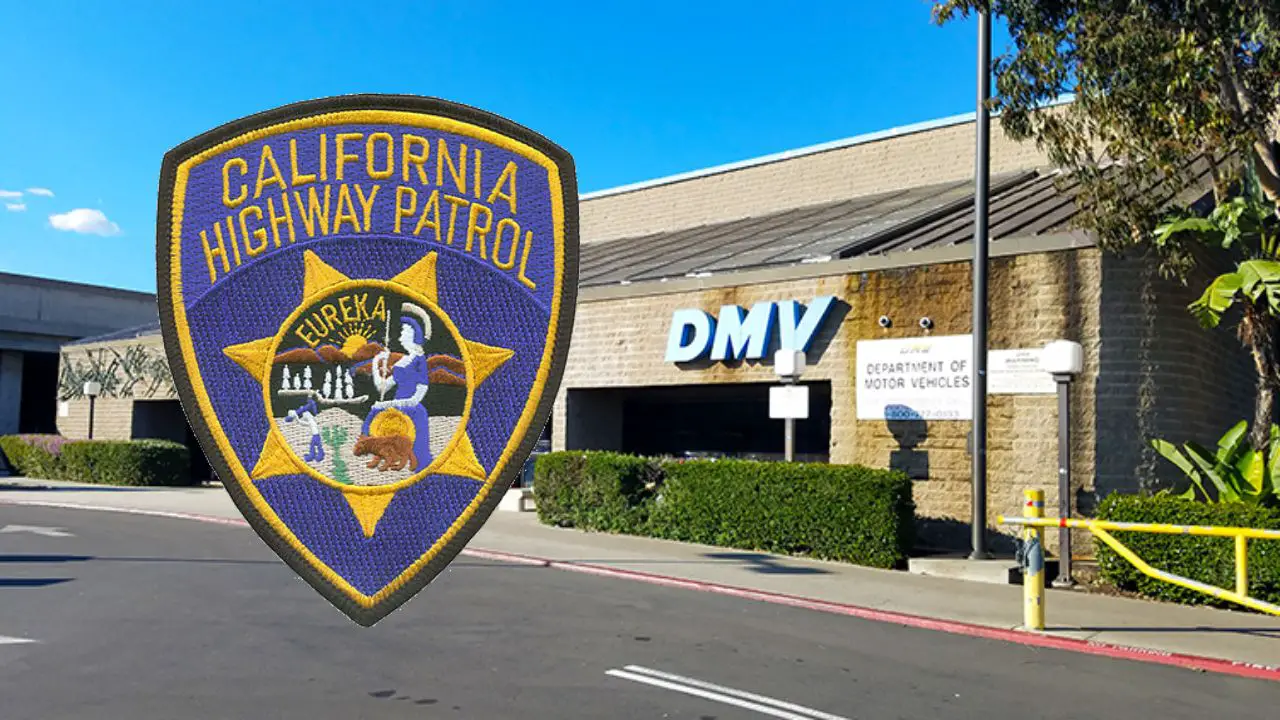
The California Department of Motor Vehicles (DMV) and the California Highway Patrol (CHP) are jointly launching a pilot initiative called FAST — Forwarded Actions for Speeding Ticket. The program is designed to expedite license reviews and potential suspensions for drivers caught traveling at 100 miles per hour or more on California roadways.
Officials say the goal is simple: act faster before extreme speeding turns deadly.
How the FAST Pilot Program Works
Under the new FAST program, when a driver is cited by CHP for driving over 100 mph, the citation will be automatically forwarded to the DMV’s Driver Safety Branch.
From there, the DMV will conduct an immediate review of both the speeding incident and the driver’s overall driving history. Based on that review, the DMV can decide whether swift action is necessary — including:
- Immediate license suspension
- License revocation
- Mandatory driver safety interventions
Currently, many extreme speeding cases are handled primarily through the court system, a process that can take weeks or even months. Officials say that delay weakens accountability and allows high-risk drivers to remain on the road.
The FAST pilot is intended to bypass delays and introduce faster, more certain consequences, which research shows is one of the most effective deterrents to dangerous driving.
Read Also: New York City Snow Alert: Slushy Commute Expected as Wintry Mix Moves In Late Tonight
Why California Is Taking Action Now
According to CHP data, officers issue citations to around 1,600 drivers every month for traveling at speeds of 100 mph or higher. In 2024 alone, more than 18,000 such citations were issued statewide.
Transportation safety officials warn that extreme speeding dramatically increases crash severity by reducing reaction time and making collisions far more violent.
DMV data shows that speed-related crashes account for nearly one-third of all traffic deaths in California over the past decade, underscoring the urgent need for targeted enforcement.
Officials Say Speed Kills — and Speed Matters
State transportation leaders say the FAST program reflects a growing emphasis on data-driven prevention, rather than waiting until tragedy occurs.
“California is taking bold, data-driven action to confront reckless speeding head-on,” said California Transportation Secretary Toks Omishakin in a statement. “The FAST pilot reflects our commitment to innovation, accountability, and prevention — using real-time information to intervene before dangerous driving turns deadly.”
Officials emphasized that the program is not aimed at minor speeding violations, but at the most extreme and dangerous behavior on the road.
What Drivers Need to Know
Drivers cited for traveling 100 mph or more should expect faster consequences under the FAST pilot, even before a court case is resolved.
Key points drivers should understand:
- A speeding ticket over 100 mph will now trigger a DMV review
- License action may occur sooner than under the traditional court process
- Past driving history will play a role in the DMV’s decision
- Repeat offenders face a higher risk of suspension or revocation
Officials say the program is designed to protect public safety, not generate revenue or target everyday drivers.
Monitoring Effectiveness and Crash Reduction
The DMV will closely monitor the FAST pilot to determine whether faster administrative action leads to:
- Fewer repeat extreme-speed violations
- Reduced crash rates
- Lower fatality numbers on high-speed roadways
If successful, the pilot could be expanded or made permanent statewide.
CHP officials say enforcement remains focused on education, deterrence, and accountability — particularly as traffic volumes increase across California highways.
A Shift Toward Prevention
Transportation experts say the FAST program represents a broader shift in traffic safety policy — moving away from reactive enforcement and toward early intervention.
By identifying and addressing high-risk drivers sooner, officials hope to prevent catastrophic crashes before they happen.
As California continues testing new approaches to roadway safety, the message from state agencies is clear: extreme speeding will no longer be treated as a slow-moving process.
Do you think faster license action will make California roads safer, or are harsher penalties needed? Share your thoughts in the comments below.