 by
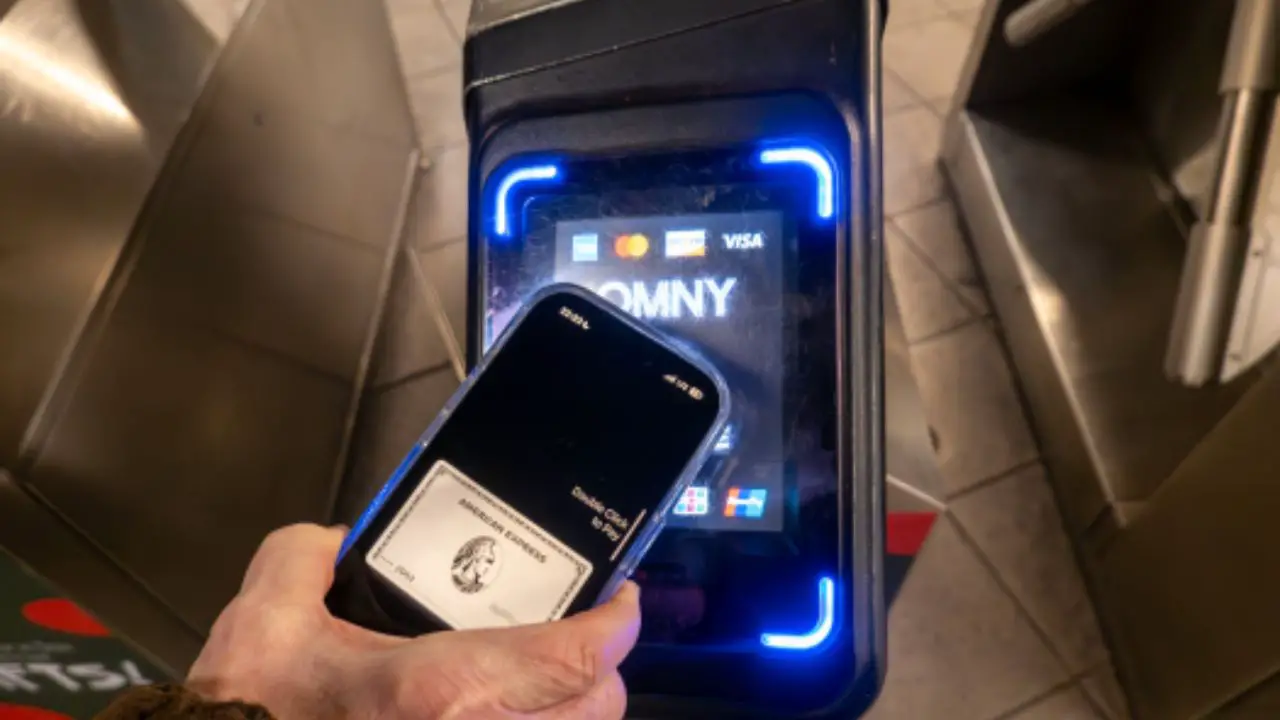
by New York City, New York — Getting around New York City just became more expensive. The 2026 MTA fare hikes officially took effect Sunday, raising the cost of subway and bus rides as well as trips on the Long Island Rail Road and Metro-North, impacting millions of daily commuters across the region.
Transit officials say the increases are necessary to keep pace with inflation and maintain reliable service, but riders across the city and suburbs are already feeling the pinch.
Subway and bus fares rise to $3 per ride
For most New Yorkers, the most noticeable change is on subways and buses. The base fare has increased from $2.90 to $3.00, a 10-cent hike per ride.
The increase continues a long-term upward trend. In 2015, a single subway or bus ride cost $2.50. Today’s price means that a commuter taking a round trip five days a week now spends about $5 more per week than they did a decade ago — adding up to roughly $260 more per year.
One rider summed up the frustration many commuters expressed Sunday.
“Prices are going up everywhere. It’s really annoying,” the commuter said.
LIRR and Metro-North fares climb even higher
Commuters who rely on regional rail lines are facing steeper increases.
According to the Metropolitan Transportation Authority, monthly and weekly passes on the Long Island Rail Road and Metro-North are increasing by up to 4.5%.
For example:
- Monthly LIRR passes are now $7 to $21 more expensive, depending on distance
- One-way and other ticket types are increasing by 8%
- The onboard purchase surcharge — whether buying from a conductor or through the TrainTime app — is increasing by $2
One Long Island commuter compared the rising cost to a major household expense.
“They also made it close to like a car lease payment now, the monthly,” the rider said. “So it’s a little frustrating.”
New ticket rules take effect for rail riders
Alongside the fare hikes, the MTA has rolled out several policy changes affecting LIRR and Metro-North riders.
Key changes include:
- All one-way tickets must be used by 4 a.m. the day after purchase
- Round-trip tickets are being eliminated
- Day passes now replace round-trip tickets, allowing unlimited rides until 4 a.m. the following day
Transit officials say the changes are meant to simplify ticketing, but some riders worry they reduce flexibility for infrequent travelers.
Congestion pricing adds to affordability debate
The fare hikes arrive as New York enters another year of congestion pricing, shrinking the cost gap between taking public transit and driving into Manhattan.
When the MTA first proposed the 2026 increases last summer, critics questioned whether raising fares undermines the idea of mass transit as the most affordable option.
MTA leadership has pushed back on that criticism.
“You gotta remember what is really driving affordability issues in New York, and it’s not transit,” said Janno Lieber, when the proposal was introduced.
Read Also: Flooding Forces Partial Road Closures Across Sacramento County; One Driver Rescued
Ridership and revenue both climbing
Despite higher prices, transit usage is rebounding. Data released Friday by Kathy Hochul shows the MTA recorded a 7% increase in ridership in 2025, the highest level since the COVID-19 pandemic.
The agency also reported generating an estimated $500 million in revenue from the first year of congestion pricing.
MTA officials say fare revenue remains critical to funding safe, reliable service and keeping up with rising operational costs.
Mayor highlights free bus option in Queens
As fares climbed citywide, Zohran Mamdani spent Sunday speaking with riders aboard the Q70 bus in Queens.
The Q70, which runs between Jackson Heights and LaGuardia Airport, is currently the only free bus line in New York City.
Mamdani, who campaigned on making buses free, said the experience reinforced his commitment.
“As the fare rises across the city, we are just as committed as we were before to fulfilling our promise to make buses fast and free in the nation’s most expensive city,” Mamdani said.
Later, he shared his thoughts on social media.
“What was clear right away was the relief this one bus line gives working-class New Yorkers,” he wrote. “Imagine if every bus felt like this.”
What comes next for NYC transit funding
The mayor said the next step is developing a detailed proposal and identifying alternative revenue streams to support the MTA without relying so heavily on fare hikes.
For now, commuters are left adjusting their budgets as higher fares become the new normal across subways, buses, and regional rail lines.
How are the 2026 fare hikes affecting your commute or monthly expenses?
Do you think the MTA is striking the right balance between affordability and service? Share your thoughts in the comments and join the conversation.