 by
by Wilson County–Rutherford County Line, Tennessee – A tip received by Tennessee wildlife officials in the fall of 2024 has led to the conviction of a repeat poaching offender responsible for the illegal killing and sale of dozens of white-tailed deer, state authorities confirmed this week.
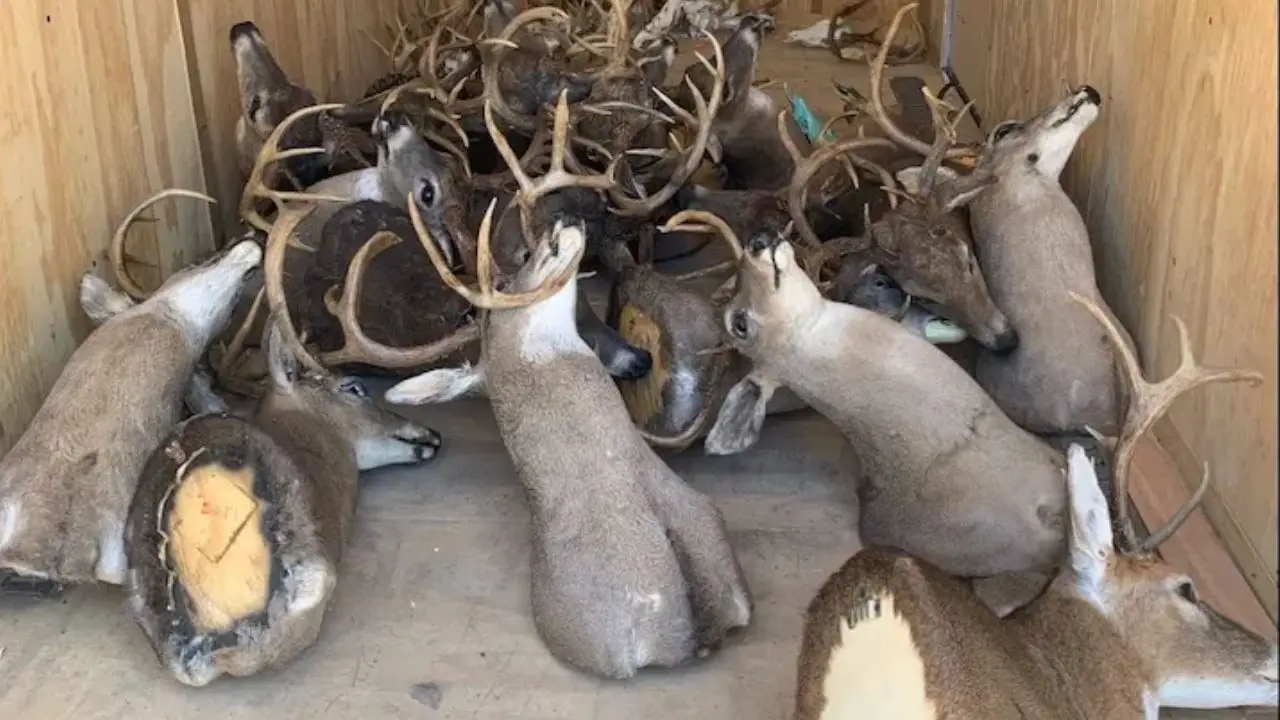
According to the Tennessee Wildlife Resources Agency, the investigation uncovered an extensive poaching operation involving 50 illegally killed white-tailed deer, along with other protected wildlife. The case resulted in felony convictions, prison time, and lifetime hunting bans for one of the offenders.
Investigation Triggered by Public Tip
Game wardens with the Tennessee Wildlife Resources Agency began investigating after receiving a tip alleging illegal hunting activity near the Wilson and Rutherford County border. The information pointed to a repeat offender who was already barred from hunting due to previous wildlife violations.
The investigation ultimately confirmed widespread and repeated violations of Tennessee wildlife laws, including illegal harvesting, possession, and trafficking of protected animals.
Charges and Conviction of Robert E. Comer
The primary offender, Robert E. Comer, was already serving a three-year hunting license revocation related to prior poaching convictions in Tennessee at the time of the offenses.
Comer pleaded guilty to multiple charges, including:
- Two felony counts of possession and trafficking of protected wildlife
- One count of illegal take, possession, or destruction of wildlife
- Two counts of hunting while on revocation
As part of his sentence, Comer received:
- 60 days in prison
- A lifetime ban from hunting, fishing, and trapping
- A lifetime ban from all TWRA-controlled and managed lands
- $15,000 in restitution, with a portion tied to a 2022 hunting violation conviction
Wildlife officials emphasized that the lifetime bans reflect the seriousness and repeat nature of Comer’s offenses.
Accomplice Also Sentenced
Authorities also identified Carson Smith as a participant in the illegal poaching activities. Smith entered guilty pleas to several wildlife-related offenses, including:
- Three counts of illegal take, possession, or destruction of wildlife
- One statewide big-game hunting season and bag limit violation
- One big-game tagging violation
Smith received a three-year revocation of hunting privileges as part of his sentencing.
Seizure of Wildlife and Weapons
Through the execution of multiple search warrants, Tennessee game wardens seized an extensive amount of illegally obtained wildlife and hunting equipment.
Items recovered included:
- 50 white-tailed deer heads and antlers
- One wild turkey head
- One illegally possessed fox squirrel
- A rifle
- A muzzleloader
- A crossbow
Officials confirmed the seized weapons were used in the commission of the crimes.
Illegal Sale of Game Meat
Investigators determined that a portion of the illegally harvested deer was being sold, which further elevated the severity of the case. The sale of wild game meat is strictly regulated in Tennessee and illegal under state law when taken outside lawful seasons or without proper authorization.
The trafficking component was a key factor in elevating the charges to felony level.
Importance of Public Reporting
TWRA officials credited the successful prosecution to the original tip that alerted game wardens to the illegal activity. They emphasized that public cooperation plays a crucial role in protecting wildlife populations and enforcing conservation laws.
Illegal poaching not only threatens animal populations but also undermines ethical hunters who follow established seasons, bag limits, and licensing requirements.
Conclusion
The conviction of Robert E. Comer and Carson Smith marks one of the more significant wildlife poaching cases in recent years in Tennessee, highlighting both the scale of the illegal activity and the consequences for repeat offenders.
Wildlife officials say the case serves as a reminder that poaching offenses are taken seriously and can result in prison time, heavy fines, and permanent loss of hunting privileges.
Share your thoughts or experiences with wildlife conservation and reporting illegal hunting in the comments below.